

The hinge joint that connects your jaw to your skull is the temporomandibular joint. When the soft tissues of the TMJ become inflamed, you can have symptoms of decreased range of motion, headaches, jaw pain, and strange sounds from the joint, such as popping or clicking. TMJ disorder can be painful and debilitating, but there are treatments available, including physical therapy.

Causes of TMJ Disorder
TMJ disorder has many possible causes:
- Traumatic injuries;
- Stress or muscle spasm;
- Joint inflammation (arthritis);
- Jaw misalignment;
- Jaw-clenching or teeth-grinding.
Multiple factors could contribute to your TMJ disorder.
Mount Vernon physical therapy can evaluate you to determine the cause of your symptoms.
Jaw Comfort Strategies
There are things that you can do at home to relieve the symptoms of TMJ disorder. You can take over-the-counter pain relievers, such as acetaminophen, or anti-inflammatories, such as ibuprofen. Eating hard or chewy foods may overwork your jaw, so try switching to soft foods that are easier to chew, such as mashed potatoes or applesauce.
When you have stress in your life, you can develop muscle tension. You may frequently hold your jaw clenched without realizing it, which can put a strain on your TMJ. Learning stress-reduction techniques may help relieve your symptoms by releasing the tension.
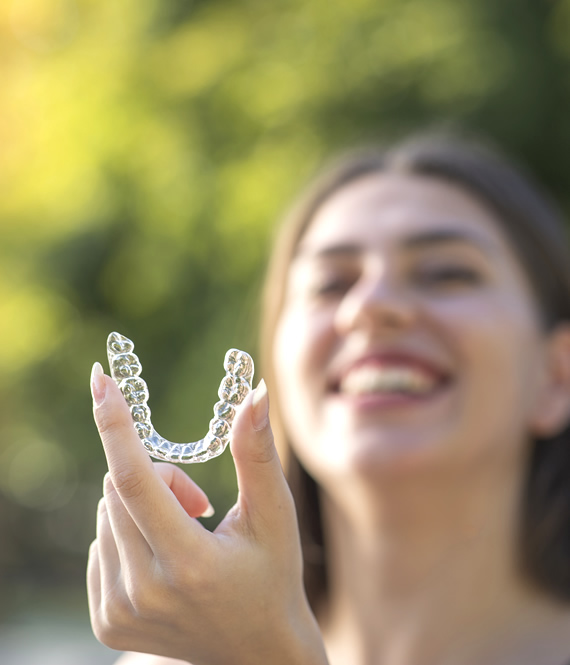
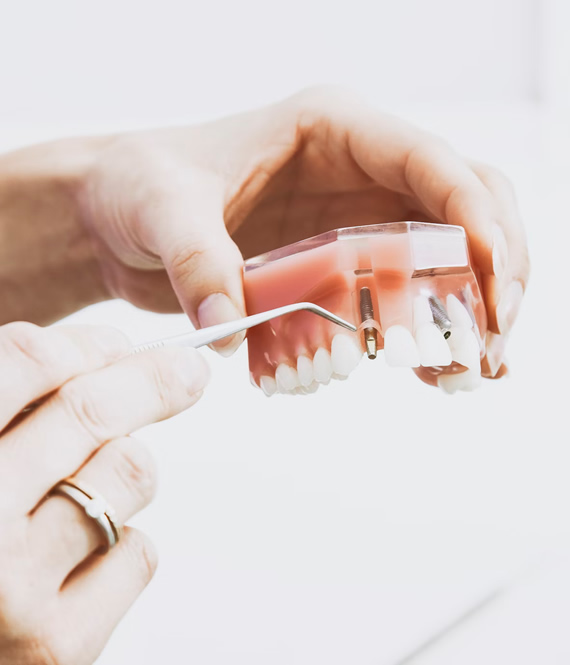
If these home remedies do not work, a doctor may prescribe muscle relaxers to relieve spasms. Sometimes dental procedures or oral appliances can correct bite problems that can lead to TMJ disorder.
Techniques for TMJ Relief
Physical therapists are experts in training the body to move more efficiently, so your therapist will probably teach you exercises to relieve pressure on your jaw, strengthen it, and improve its range of motion.
For example, your physical therapist may have you stretch the muscles of the TMJ by moving your jaw from side to side. Your therapist may have you open and close your mouth like a goldfish. At first, you’ll only open your mouth partway and then, as your symptoms improve, you’ll open your mouth fully. Your physical therapist will teach you how to do these exercises correctly so you can do them at home.
There’s more to physical therapy than exercises, however. Your physical therapist may use massage to relax the muscles of not only your face and jaw but also your shoulders and neck. Therapeutic massage also helps to increase circulation, which helps to reduce inflammation of soft tissues.
A physical therapist may use pain relief modalities such as ultrasound to relieve symptoms of TMJ disorder. Ultrasound involves using sound waves in a range higher than humans can hear to stimulate tissues to heat up, and the cells to move.
Applying ice or heat to the site of pain may help. Ice helps to reduce swelling and numb pain, while heat helps loosen up tight muscles. Your therapist can teach you how to apply heat and cold correctly.
Your physical therapist will individualize your program of exercises and modalities to meet your specific needs. Find a clinic online, or ask your doctor for a referral.

Hi! I am author + writer on personal development, beauty, relationships and self-care, sharing insights through this blog since 2018. After years of practicing personal growth, emotional wellness and feminine lifestyle (plus 19 years in a thriving relationship), I share effective and tested advice to help you foster beauty, self-improvement and order in your life. Some articles are written by a small team of beautiful writers I trust.










Leave a Comment