
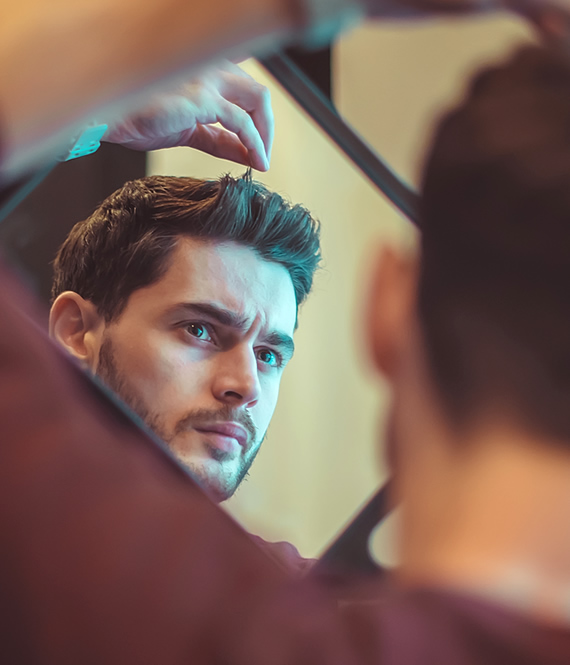
We’ve all experienced those dreaded bad hair days when our locks just don’t seem to cooperate.
But did you know that these frustrating hair mishaps can actually have a significant impact on our self-esteem and confidence?
Several studies have been conducted to explore the connection between bad hair days, hair loss, and our overall emotional well-being, shedding light on the importance of hair in how men perceive themselves.
A Study on Bad Hair Days
A noteworthy study conducted by researchers at Yale University sought to delve into this intriguing phenomenon.
Led by Professor Marianne LaFrance, the Gender Communication Laboratory at Yale embarked on a mission to explore the effects of bad hair days on individuals’ self-esteem and self-judgment.
The study enlisted a group of 60 men and 60 women, aged between 17 and 30.
These participants were asked to reflect on moments when their hair had stubbornly defied their wishes, causing frustration and disappointment.
Interestingly, the male participants had no trouble recalling these hair-related struggles, debunking the notion that bad hair days are solely a concern for women.
To further understand the effects of bad hair days, the participants were divided into three groups.
One group was prompted to reflect on their past experiences of hair-related frustrations, while another group focused on negative product packaging.
The third group, however, was not asked to dwell on anything negative.
Following these reflections, all three groups underwent psychological tests to assess their self-esteem and self-judgment.
The study’s findings were remarkable.
Participants who had focused on their bad hair days showed significantly lower levels of self-esteem compared to those who were directed to think about something unrelated to hair.
This correlation highlights the weight that our hair carries in shaping our perception of ourselves.
It suggests that negative hair experiences can have a substantial impact on our overall self-esteem.
The Impact of Bad Hair Days & Self-Esteem
Yale University isn’t the only institution shedding light on the relationship between hair and self-esteem.
Androgenetic alopecia (AGA), commonly known as male pattern baldness, can have a significant impact on a man’s self-esteem and overall quality of life.
A recent 2023 study conducted in Tehran has shed light on this impact and potential solutions.
The study aimed to evaluate the effects of hair transplantation surgery on self-esteem and quality of life in male patients with AGA.
The study involved 35 male participants who underwent hair transplantation surgery for AGA.
Before and after the procedure, the researchers assessed the patient’s self-esteem and quality of life using the Rosenberg Self-Esteem Scale (RSES) and the Dermatology Life Quality Index (DLQI).
The results were highly encouraging.
After getting a hair transplant, the participants experienced a significant increase in self-esteem, as reflected by the rise in their RSES scores from 2.97 to 5.35.
Additionally, their quality of life improved significantly, with the mean DLQI score decreasing from 2.17 to 0.00.
Interestingly, the study found that patients with higher educational achievements tended to experience greater improvements in their quality of life following hair transplantation surgery.
While further research is needed to explore this relationship, the findings suggest that education may play a role in the patient’s perception of the treatment’s benefits.
The Impact of Hair Loss on Quality of Life
Hair loss can be more than just a physical change; it can deeply affect our mental well-being.
Erica L. Aukerman BS and Mohammad Jafferany MD conducted a thorough review of studies to uncover the psychological impact of androgenetic alopecia (AGA), the most common cause of hair loss.
The authors of this scoured PubMed, a trusted medical research database, for studies published between 1992 and 2021.
They focused on research that examined how AGA affected an individual’s mental health, including anxiety, depression, self-esteem, and overall quality of life.
The results were eye-opening. AGA can have a significant negative impact on our psychological well-being.
Those experiencing hair loss are more prone to anxiety, depression, and low self-esteem. The loss of hair takes a toll on various aspects of daily life, leading to impaired overall quality of life.
How To Boost Your Self-Esteem Issues Relating To Your Hair Loss
If you find yourself more susceptible to negative emotions and thoughts during bad hair days or if you’re experiencing hair loss, there are proactive steps you can take to manage your self-esteem and confidence.
1. Embrace Acceptance
Recognize that hair appearance does not define your worth as a person.
Accept and embrace your unique features, including your hair, regardless of its current condition.
2. Experiment with Different Styles
Explore various hairstyles that complement your hair type and current situation.
Consult with a professional hairstylist who can suggest suitable options that work with your hair texture, length, and density.
3. Grooming and Maintenance
Practice good grooming habits to keep your hair and scalp healthy.
Maintain a regular hair care routine, including washing, conditioning, and styling.
Properly groomed hair, regardless of its thickness or style, can boost your confidence.
4. Accessorize
Consider using accessories such as hats, beanies, or bandanas to add style and flair to your look.
These can draw attention away from any hair concerns and allow you to express your personal style.
5. Focus on Overall Appearance
Pay attention to other aspects of your appearance that you can control and enhance.
Dress well, maintain good posture, and take care of your skin and overall hygiene.
Feeling put-together in other areas can boost your overall self-esteem.
6. Seek Support
Share your feelings with trusted friends or family members who can offer support and understanding.
Sometimes simply talking about your concerns can provide a fresh perspective and alleviate some of the emotional burden.
7. Positive Affirmations
Practice positive self-talk and confidence-boosting affirmations.
Remind yourself of your unique qualities, strengths, and achievements beyond your physical appearance.
Acknowledge your value as a person based on your character, skills, and accomplishments.
8. Engage in Activities You Enjoy
Focus on hobbies, interests, and activities that bring you joy and fulfillment.
Engaging in activities that make you feel good can shift your focus away from hair-related concerns and boost your overall well-being.
9. Seek Professional Help if Needed
If hair loss or concerns about appearance significantly impact your self-esteem, consider seeking professional support.
Consult a therapist or counselor who specializes in body image or self-esteem issues.
They can provide guidance and strategies to help you navigate these challenges.
10. Consider Hair Loss Treatments
Explore options for addressing hair loss if it affects your self-esteem.
Consult with a dermatologist or hair loss specialist who can recommend appropriate treatments, such as medications, hair transplants, or scalp micropigmentation.
Taking proactive steps towards managing hair loss can empower you and enhance your self-confidence.
Conclusion
Remember, self-esteem is not solely dependent on hair appearance.
It’s essential to focus on your overall well-being, personal growth, and the qualities that make you a unique and valuable individual.
Embrace self-acceptance and cultivate a positive mindset to boost your self-esteem, regardless of any hair-related challenges you may face.

Hi! I am author + writer on personal development, beauty, relationships and self-care, sharing insights through this blog since 2018. After years of practicing personal growth, emotional wellness and feminine lifestyle (plus 19 years in a thriving relationship), I share effective and tested advice to help you foster beauty, self-improvement and order in your life. Some articles are written by a small team of beautiful writers I trust.



Leave a Comment