
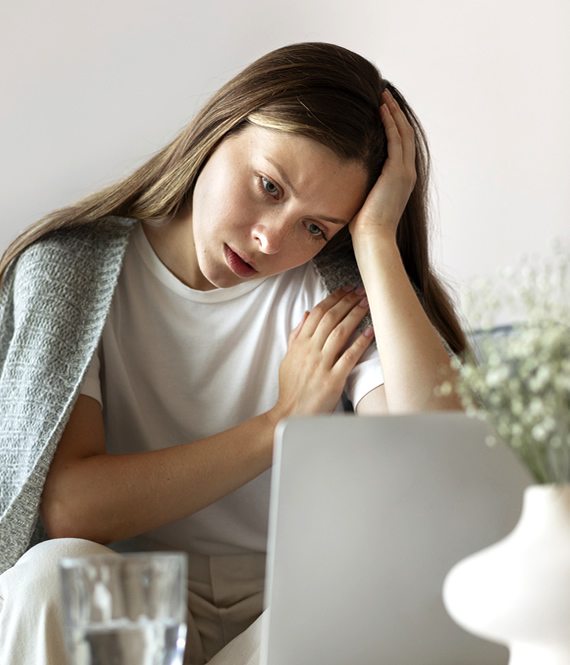
Anxiety is a universal human experience, as common as feeling joy or sadness.
It’s entirely normal to have those fleeting moments of nervousness before an important event, like a job interview or a significant presentation.
However, when anxiety starts to color every aspect of your daily life and becomes a constant presence, it can be overwhelmingly disruptive.
Medical professionals often prescribe Benzodiazepines, which include familiar medications like Valium, Xanax, and Klonopin, to manage anxiety.
While these are effective, they may have side effects that some individuals wish to avoid.
Additionally, many individuals today are interested in taking a more holistic approach to their health and wellness, preferring natural methods to manage their symptoms.
In this comprehensive guide, we’re going to delve into practical, effective strategies for managing anxiety without the need for medication.
Understanding the Warning Signs of Anxiety
Sometimes we become so accustomed to a state of constant anxiety that it fades into the background of our lives.
We may begin to view it as a standard part of our existence and might not even realize its presence.
However, acknowledging the symptoms is the first significant step toward addressing the problem.
The signs of anxiety can occur both physically and emotionally.
Physical Symptoms
Anxiety can be triggered by life-altering events, such as the death of a loved one, the end of a relationship, or sudden unemployment.
However, small stressful incidents can also result in a variety of anxiety-induced, physical changes.
Common physical signs of anxiety include a rapid heartbeat, shaking hands, and sporadic diarrhea.
Chronic stress, a close cousin of anxiety, can also disrupt sleep patterns, leading to insomnia or disturbed sleep.
Over time, this can cause ongoing fatigue and can contribute to regular headaches.
Recognizing these symptoms is crucial for timely intervention and management.
Emotional Symptoms
Beyond the physical realm, individuals experiencing anxiety often grapple with emotional turmoil.
These manifestations may include a perpetual sense of restlessness, an inability to sit still, brain fog, feelings of depression and helplessness, irritability, and sadness.
These symptoms can act as obstacles, “freezing” and preventing individuals from participating in their regular activities.
Persistent anxiety can also make it incredibly challenging to divert focus away from the source of your worries.
Triggers of Heightened Anxiety in Adults
Anxiety doesn’t emerge from a vacuum.
It often arises due to a myriad of interrelated factors, including but not limited to:
- Disorders of the endocrine system, which could disrupt the balance of hormones in the body.
- Substance abuse, including drug and alcohol addiction, can significantly increase anxiety levels.
- Chronic sleep deprivation, as a lack of restful sleep can exacerbate feelings of anxiety.
- Adverse reactions or side effects from certain medications.
- High-stress circumstances or environments, whether at home or in the workplace.
- Post-traumatic stress disorder, often following a traumatic event or experience.
- Certain character traits can predispose individuals to heightened anxiety, such as being overly emotional, highly sensitive, or perfectionist.
Different Types of Anxiety Disorders
Anxiety isn’t a monolithic condition. Instead, it presents itself in a variety of forms.
Let’s take a brief tour of the diverse types of anxiety disorders.
Obsessive-Compulsive Disorder
Obsessive-compulsive disorder, or OCD, manifests as a constant state of worry and anxiety.
It often starts with a heightened concern for personal safety, leading individuals to obsessively check things like whether they’ve turned off the stove or locked the front door.
This persistent doubt and repeated checking is not only disruptive but also fosters a lack of self-trust, further exacerbating anxiety.
Phobias
Phobias are characterized by a pervasive fear of every day and non-threatening objects or situations.
For instance, someone might have an irrational fear of confined spaces (claustrophobia), certain situations, or even stepping outside (agoraphobia).
These intense fears can limit a person’s life, as they typically go to great lengths to avoid encounters with the object or situation that triggers their anxiety.
Anxiety-Depressive Disorder
Anxiety-depressive disorder is a type of anxiety that’s becoming increasingly prevalent in modern society.
Alongside classic signs of depression and anxiety, individuals may experience physical sensations like a lump in the throat, frequent urination, shaking of the limbs, and bouts of dizziness.
These physical symptoms can heighten the distress associated with the condition.
Generalized Anxiety Disorder
Generalized Anxiety Disorder, or GAD, is characterized by a constant state of anxiety without a specific target or cause.
This relentless worry can disrupt concentration on daily activities, and the individuals often find it difficult to identify what exactly is causing their unease.
Post-Traumatic Stress Disorder
Post-Traumatic Stress Disorder (PTSD) is a severe form of anxiety that typically occurs after a traumatic event, such as experiencing warfare or surviving a natural disaster.
Individuals with PTSD live in constant fear of the stressful event happening again, which can keep their anxiety levels perpetually high.
Panic Disorder
Panic disorder involves recurrent panic attacks that occur without any specific trigger.
These attacks often cause physical symptoms to worsen and make it challenging for the individual to regain their composure or “pull themselves together.”
Harnessing Natural Strategies to Manage Anxiety
If seeking professional help isn’t possible or desirable at this time, or you’re not interested in medication, it’s possible to manage anxiety independently.
Here are some natural strategies that can help you cope.
Breathing Exercises
Even the simplest of breathing exercises can make a significant difference.
Find a quiet, calm space and allow your body to relax as much as possible.
Practice deep, controlled breathing – inhale slowly and deeply, hold for a moment, then exhale slowly.
Repeat this cycle up to ten times.
Listening to Soothing Music
Music has been proven to have a profound effect on our moods and emotions.
Experiment with different genres or types of music to find what resonates best with you.
This could be classical music, instrumental tunes, or even natural sounds like bird songs or the soothing noise of rainfall.
Focusing on Positive Experiences
Whether your anxiety is rooted in rational or irrational thoughts, revisiting moments of personal success or joy can help to counteract feelings of worry.
Focusing on these positive experiences can serve as a reminder of your resilience and ability to overcome challenges.
Maintaining Routine
Keeping to a routine, no matter how simple, can also help manage anxiety.
Regular tasks, such as walking to the store, playing with a pet, brushing teeth, or maintaining a regular sleep schedule, provide structure and can help distract from anxiety.
Alongside these strategies, it’s worth considering if lifestyle or attitude adjustments might be beneficial.
Try to limit exposure to negativity, establish a healthy routine that incorporates balanced nutrition and regular physical activity, practice soothing self-care, and don’t hesitate to seek advice from a mental health professional if your symptoms persist.
Common Pitfalls to Avoid
As with any attempt to alleviate mental health symptoms, there are potential pitfalls that, while seemingly helpful at first, might make the situation worse.
Avoiding Anxiety Triggers
While it might seem logical to avoid situations that trigger your anxiety, this can actually increase its scope and severity over time.
It can lead to the creation of ‘no-go zones’ that can grow and multiply, making it harder and harder to function in everyday life.
Instead, it can be more beneficial to slowly, gradually, and safely confront the things that cause discomfort.
Overanalyzing Distressing Events
Overanalyzing distressing situations or visualizing worst-case scenarios can also exacerbate anxiety.
It’s natural to want to make sense of our fears, but too much introspection can fuel rather than alleviate anxiety.
Engage in moderate analysis but avoid spiraling into obsessive thought patterns.
Mindful thought observation is a helpful mindful technique that can help you to notice your thoughts, without getting emotionally engaged with them.
When to Consult a Professional
While there’s great value in managing anxiety independently, there are times when professional help becomes necessary.
If anxiety significantly interferes with your daily life, leads to panic attacks, or results in obsessive thoughts that you can’t seem to shake, it’s time to seek professional assistance.
Conclusion
Experiencing anxiety is a normal part of the human condition.
However, when it becomes a persistent challenge, seeking the guidance of a qualified specialist can offer invaluable help.
Skilled professionals can provide effective strategies, therapeutic interventions, and the necessary support to help you manage and eventually overcome chronic stress and anxiety.

Hi! I am author + writer on personal development, beauty, relationships and self-care, sharing insights through this blog since 2018. After years of practicing personal growth, emotional wellness and feminine lifestyle (plus 19 years in a thriving relationship), I share effective and tested advice to help you foster beauty, self-improvement and order in your life. Some articles are written by a small team of beautiful writers I trust.






Leave a Comment