
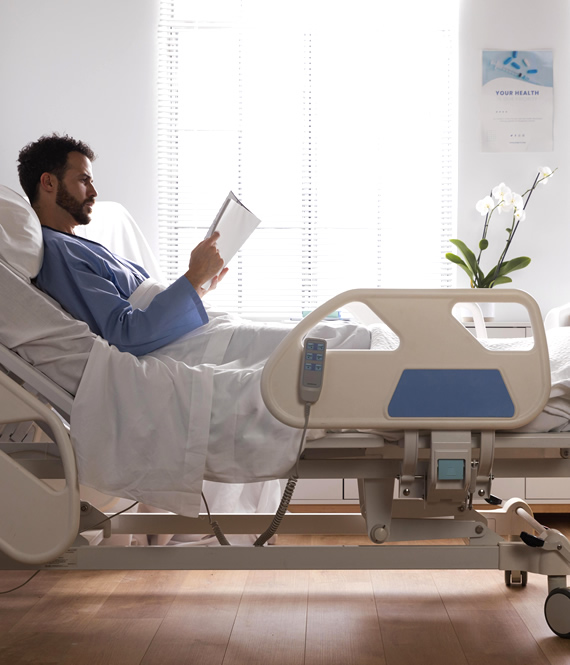
In the realm of healthcare, the concept of receiving medical attention at home has gained significant traction in recent years. Home healthcare offers a range of benefits, including comfort, cost-effectiveness, and the opportunity for patients to recover in a familiar environment. One crucial element of home healthcare is the provision of necessary medical equipment, and among them, hospital beds play a pivotal role. This article explores the considerations and circumstances in which hospital beds for rent become a prudent choice for individuals opting for home-based care.
The Evolution of Home Healthcare
Historically, the idea of healthcare was synonymous with hospital visits and extended stays. However, as medical practices and technologies advanced, the possibility of providing medical care in the comfort of one’s own home became a viable option. Home healthcare encompasses a broad spectrum of services, ranging from basic medical care to specialized treatments. One key aspect of this evolution is the availability of medical equipment that allows patients to receive comprehensive care without leaving their homes.
Understanding the Role of Hospital Beds
Hospital beds are a critical component of home healthcare setups. These specialized beds are designed to provide a range of positioning options, ensuring patient comfort and facilitating various medical treatments. Hospital beds come with adjustable features such as height, head, and foot positioning, making them versatile for addressing different medical needs.
Advantages of Hospital Beds in Home Healthcare
There are three main advantages of using hospital beds at home.
- Enhanced Comfort and Mobility. Hospital beds offer superior comfort compared to regular beds, and their adjustable features contribute to improved mobility for patients with limited movement.
- Facilitation of Medical Procedures. The design of hospital beds accommodates medical procedures and treatments, making it easier for healthcare professionals to provide necessary care at home.
- Pressure Ulcer Prevention. The risk of pressure ulcers, a common concern for individuals with limited mobility, is mitigated through the use of hospital beds with pressure-relieving features.
When to Consider Renting a Hospital Bed
Renting a hospital bed for home use is a decision that should be carefully considered based on the patient’s needs, medical condition, and the anticipated duration of home healthcare. Let’s take a look at several scenarios that warrant the consideration of hospital bed rentals.
Recovery from Surgery or Injury
Patients recovering from surgery or injury often require a comfortable and supportive bed to aid their recuperation. Hospital beds with adjustable features can be customized to meet the specific needs of the recovering individual, facilitating a faster and more comfortable recovery process.
Chronic Illness or Conditions Requiring Long-Term Care
Individuals with chronic illnesses or conditions that necessitate long-term care may find it more practical to have a hospital bed at home. The adjustable features of these beds can be crucial for managing ongoing medical needs and enhancing the quality of life for individuals with chronic health issues.
Terminal Illness and Palliative Care
In cases of terminal illness, where the focus shifts to providing comfort and maintaining the best possible quality of life, a hospital bed at home becomes invaluable. These beds contribute to the comfort of the patient and make it easier for caregivers to attend to their needs.
Limited Mobility and Specialized Medical Requirements
Patients with limited mobility or those requiring specialized medical care, such as regular repositioning or assistance with daily activities, benefit significantly from the features offered by hospital beds. Renting a hospital bed can be a practical solution to meet these specific requirements.
The Rental Process and Considerations
When considering renting a hospital bed for home healthcare, several factors come into play.
Understanding the rental process and key considerations is essential to making an informed decision.
1. Assessment of Patient Needs
Before proceeding with the rental of a hospital bed, a thorough assessment of the patient’s needs is crucial. Consider factors such as the patient’s mobility, medical condition, and any specific requirements for positioning or comfort.
2. Consultation with Healthcare Professionals
Engaging with healthcare professionals, including doctors, nurses, and occupational therapists, is integral to the decision-making process. Their insights can guide the selection of an appropriate hospital bed based on the patient’s medical condition and care requirements.
3. Choosing the Right Type of Hospital Bed
Hospital beds come in various types, including manual, semi-electric, and fully electric. The choice depends on the patient’s needs and the level of assistance required. A fully electric bed, for example, allows for easy adjustment using a remote control, providing greater independence for the patient.
4. Duration of Home Healthcare
Consider the anticipated duration of home healthcare when deciding whether to rent a hospital bed. For short-term needs, renting may be more cost-effective, while long-term requirements might warrant the purchase of a bed.
5. Financial Considerations and Insurance Coverage
Explore the financial aspects of renting a hospital bed, including rental rates, deposit requirements, and any insurance coverage that may offset costs. Some insurance plans may cover the expenses associated with home healthcare equipment, including hospital bed rentals.
6. Delivery, Setup, and Maintenance Services
Check with the rental provider about the delivery, setup, and maintenance services they offer. Having the bed delivered, assembled, and maintained by professionals ensures a seamless and safe experience for the patient.
Conclusion
Navigating the realm of home healthcare involves careful consideration of the tools and equipment required to ensure optimal care and comfort for patients. Hospital beds, with their adjustable features and specialized design, play a pivotal role in facilitating home-based medical treatments.
Renting a hospital bed becomes a practical option in various scenarios, from post-surgery recovery to long-term care and palliative support. By understanding the specific needs of the patient, consulting with healthcare professionals, and considering key factors in the rental process, individuals can make informed decisions that contribute to the overall success of home healthcare initiatives.
Ultimately, the goal is to provide a supportive and healing environment that allows individuals to receive the care they need within the familiar and comforting confines of their own homes.

Hi! I am author + writer on personal development, beauty, relationships and self-care, sharing insights through this blog since 2018. After years of practicing personal growth, emotional wellness and feminine lifestyle (plus 19 years in a thriving relationship), I share effective and tested advice to help you foster beauty, self-improvement and order in your life. Some articles are written by a small team of beautiful writers I trust.












Leave a Comment