
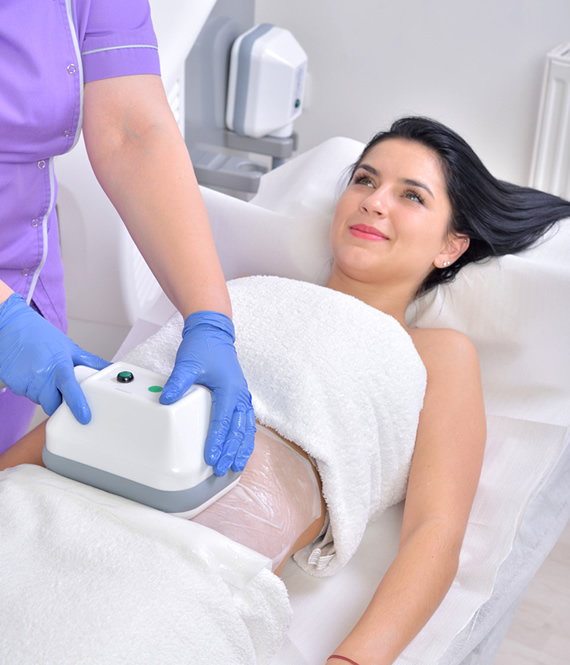
Non-invasive fat reduction treatments have recently emerged as a preferred method for those seeking to eliminate stubborn fat without the downtime and risks associated with traditional liposuction. These treatments, which include cryolipolysis, laser fat reduction, and radiofrequency technologies, promise to contour and shape the body with minimal discomfort and no need for anesthesia.
If you’re considering a non-invasive fat reduction treatment, here’s what you can expect before, during, and after your session.
Before the session
The journey to a slimmer silhouette begins with a consultation. During this initial meeting, your practitioner will evaluate your health history, discuss your fat reduction goals, and determine if you’re an ideal candidate for the procedure.
Factors such as the thickness of the fat layer, the specific area to be treated, and overall health will be considered. Having realistic expectations is essential; while non-invasive fat removal can significantly enhance your appearance, it’s not a weight-loss solution or an alternative for healthy lifestyle choices.
Before undergoing a non-invasive fat removal procedure, it’s essential to have an open and informative consultation with your aesthetician or practitioner. Doing so helps set realistic expectations while ensuring you’re a suitable candidate for the treatment. Here are some critical questions to ask your aesthetician before the procedure:
‘Am I a good candidate for non-invasive fat removal?’
Understand whether your individual goals, body type, and specific fat areas can effectively be treated with non-invasive methods.
‘What fat reduction treatment do you recommend for me, and why?’
Learn about the different technologies available (such as cryolipolysis, laser fat reduction, and radiofrequency) and why a particular method is suggested for your needs.
‘What results can I realistically expect?’
Discuss what the procedure can and cannot do, including the amount of fat reduction and body contouring you might see.
‘How many sessions will I need, and how far apart are they spaced?’
Understand the treatment plan, including the number of sessions and timeframe to achieve optimal results.
‘What are the potential risks and side effects?’
Inquire about possible complications, side effects, and how common they are to weigh the benefits and risks.
‘What is the experience like during the procedure? Will I feel discomfort?’
Knowing what sensations to expect during the treatment can help you prepare mentally and physically.
‘What should I do before and after the treatment to ensure the best results?’
Ask about any preparatory steps or post-treatment care instructions to maximize effectiveness and minimize side effects.
‘Can you show me before-and-after photos of other patients who had this’ treatment?’
Visual evidence of results can provide a more precise expectation of what the treatment can achieve.
‘What is the cost of the treatment, and are there any packages or financing options available?’
Discuss the financial aspects, including payment plans, to plan accordingly.
‘How does this treatment compare to other fat reduction options, including invasive procedures?’
Understand the benefits and limitations of non-invasive treatments compared to alternatives like liposuction.
Asking these questions will provide you with a deeper understanding of the procedure and help establish trust and comfort with your aesthetician. Always choose a qualified and experienced professional to ensure the highest safety and efficacy standards.
During the session
Non-invasive fat reduction treatments typically last 30 minutes to an hour per session, depending on the targeted area and the specific technology used. Here’s what you can generally expect during the procedure.
- Preparation: The treatment area will be cleaned, and a gel pad or applicator will be applied. For treatments like Cool, this pad helps to protect the skin and ensure the cold is used evenly.
- Treatment: During the session, the device will apply the chosen technology (cold, heat, or radiofrequency) to target and destroy fat cells beneath the skin without affecting the surface. At the treatment site, you may feel pulling, tugging, mild pinching, intense cold, warmth, or tingling. These sensations vary depending on the technology used but are generally well tolerated.
- Post-treatment: Immediately after the procedure, the practitioner may massage the treated area to break up frozen tissue and enhance fat reduction.
Your doctors or aestheticians may allow you a few minutes to rest after a session and then some more time to get dressed before leaving the clinic.
After the session
Minimal downtime is one of the most appealing aspects of non-invasive fat removal. Most patients can resume normal activities immediately after their session. You might experience temporary redness, swelling, bruising, tenderness, or numbness in the treated area. These side effects are usually mild and resolve independently within a few weeks.
It’s essential to have patience with the results. Unlike surgical options that offer immediate changes, the results of non-invasive fat reduction treatments develop over time. Your body will naturally process and eliminate the destroyed fat cells, with results typically appearing within three weeks and improving over the next two to four months. For optimal results, some patients may require multiple sessions.
Conclusion
With minimal discomfort and no downtime, non-invasive fat reduction is an attractive option for targeting stubborn fat areas. However, maintaining a healthy diet and regular exercise is crucial for long-lasting results. Always consult a qualified professional to ensure this treatment aligns with your goals and expectations.

Hi! I am author + writer on personal development, beauty, relationships and self-care, sharing insights through this blog since 2018. After years of practicing personal growth, emotional wellness and feminine lifestyle (plus 19 years in a thriving relationship), I share effective and tested advice to help you foster beauty, self-improvement and order in your life. Some articles are written by a small team of beautiful writers I trust.










Leave a Comment