

Wondering how to keep your teeth and gums in great shape? A healthy mouth isn’t just about a nice smile; it’s a big part of your overall health. Tooth and gum diseases, if left alone, can cause pain, make you lose teeth, and even affect other parts of your body. But the good news is that stopping these problems is often easier than you might think. Let’s explore what you can do to take care of your mouth.
The Basics: Plaque and Tartar
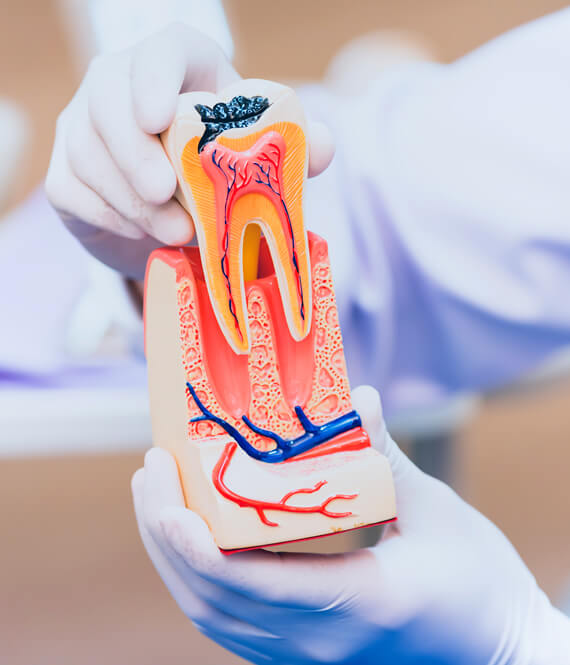
First, let’s get to know the bad guys: plaque and tartar. Plaque is a sticky layer of germs that’s always forming on your teeth. If you don’t clean it off, it gets hard and turns into tartar, which only a dentist can remove. Both plaque and tartar bother your gums, making them swollen (gingivitis) and eventually leading to more serious gum disease.
Safeguarding Your Smile: Simple Steps for Prevention
Now that you understand the risks, let’s dive into the simple yet powerful preventative dental care tips that can help you prevent tooth and gum disease.
Brushing: Your Main Tool
Brushing your teeth well is your main way to fight plaque. Use a toothbrush with soft bristles and toothpaste with fluoride. Aim to brush twice a day, spending two minutes each time. Tilt your brush at an angle towards your gums, and use gentle circles to clean every part of your teeth. Don’t forget to brush your tongue, too, as it can also have germs that cause bad breath!
Flossing: Reaching the Hard-to-Reach Areas
Brushing alone can’t reach the tiny spaces between your teeth, where plaque likes to hide. That’s why flossing is important. To maintain good oral health, use about 18 inches of floss, wrapping it around your middle fingers. Carefully slide the floss between your teeth, curving it around each tooth and going slightly under the gumline. Floss once a day to remove the bits of food and plaque that your toothbrush can’t reach.
Mouthwash: An Extra Helper
Mouthwash may help out, but it’s not a replacement for brushing and flossing. Some mouthwashes have fluoride to make your teeth stronger, while others have things to kill germs that cause plaque. Swish the mouthwash around for about 30 seconds, then spit it out. If you’re not sure which one is best for you, ask your dentist.
What You Eat Matters
Aside from poor oral hygiene, the food you eat can affect your mouth. Sugary and starchy foods feed the bad bacteria in plaque, making them produce acid that damages your teeth. It’s best to limit these and eat a balanced diet with lots of vegetables, fruits, and whole grains. These give you nutrients that your teeth and gums need. Also, drink plenty of water throughout the day to help wash away food and reduce acid.
Regular Dental Visits: Get Help from the Pros
Even if you’re really good at caring for your teeth at home, going to the dentist for regular dental cleanings is important. Dentists and hygienists can get rid of tartar, spot early signs of gum disease, and give you advice just for you. Most adults should see their dentist every six months for a checkup and professional dental cleaning. If you have any special concerns regarding hygiene practices or seeking professional treatment, your dentist might suggest coming in more often.
Lifestyle Choices: Smoking and More
Your lifestyle plays a role in your mouth’s health. Things like smoking and using tobacco can really harm your gums. They restrict blood flow to your gums, opening the door to infections. Kicking the habit is a major win for your mouth and your body as a whole. Even drinking too much or dealing with high levels of stress can negatively impact your oral health.
More Tips for Good Oral Care
- Think about an electric toothbrush. These often do a better job of cleaning than regular ones and can be good if you have trouble using your hands.
- Snack smart. If you get hungry between meals, choose cheese, yogurt, or raw vegetables. These help your mouth make saliva, which fights acid and protects your teeth.
- Change your toothbrush often. Old toothbrushes don’t clean as well. Get a new one every three to four months or sooner if the bristles look worn out.
- Don’t ignore bleeding gums. This is usually a sign that something is wrong. If your gums bleed when you brush or floss, see your dentist to ensure healthy gums.
- Think about your medicine. Some medicines can make your mouth dry, which can easily lead to tooth decay. Ask your doctor or dentist for help if this happens to you.
Conclusion
Tooth and gum diseases are common, but you can stop them most of the time. By following these tips and taking good care of your mouth, you can keep your smile healthy for years to come. Remember, it’s easier (and cheaper!) to prevent health problems than to cure them later. Practice good oral hygiene and your smile will be happy and healthy!

Hi! I am author + writer on personal development, beauty, relationships and self-care, sharing insights through this blog since 2018. After years of practicing personal growth, emotional wellness and feminine lifestyle (plus 19 years in a thriving relationship), I share effective and tested advice to help you foster beauty, self-improvement and order in your life. Some articles are written by a small team of beautiful writers I trust.











Leave a Comment