

The silent yet pervasive impact of trauma finds its way into our life, eroding the quality of life, relationships, and professional life… But amidst these silent struggles is a dormant resilience, an unyielding potential for transformation, just waiting to be harnessed.
This journey from the shadowy paths of trauma to glowing trails of empowerment and resilience is complex, but nothing ever changes without a first step.
A good approach to this is to start overcoming your trauma with a professional therapist, a program for adult trauma recovery, or a support group focused on learning to face your trauma.
In this article, let’stake a look at a few steps and strategies that you can do on your own to elevate your life from the depths of trauma.
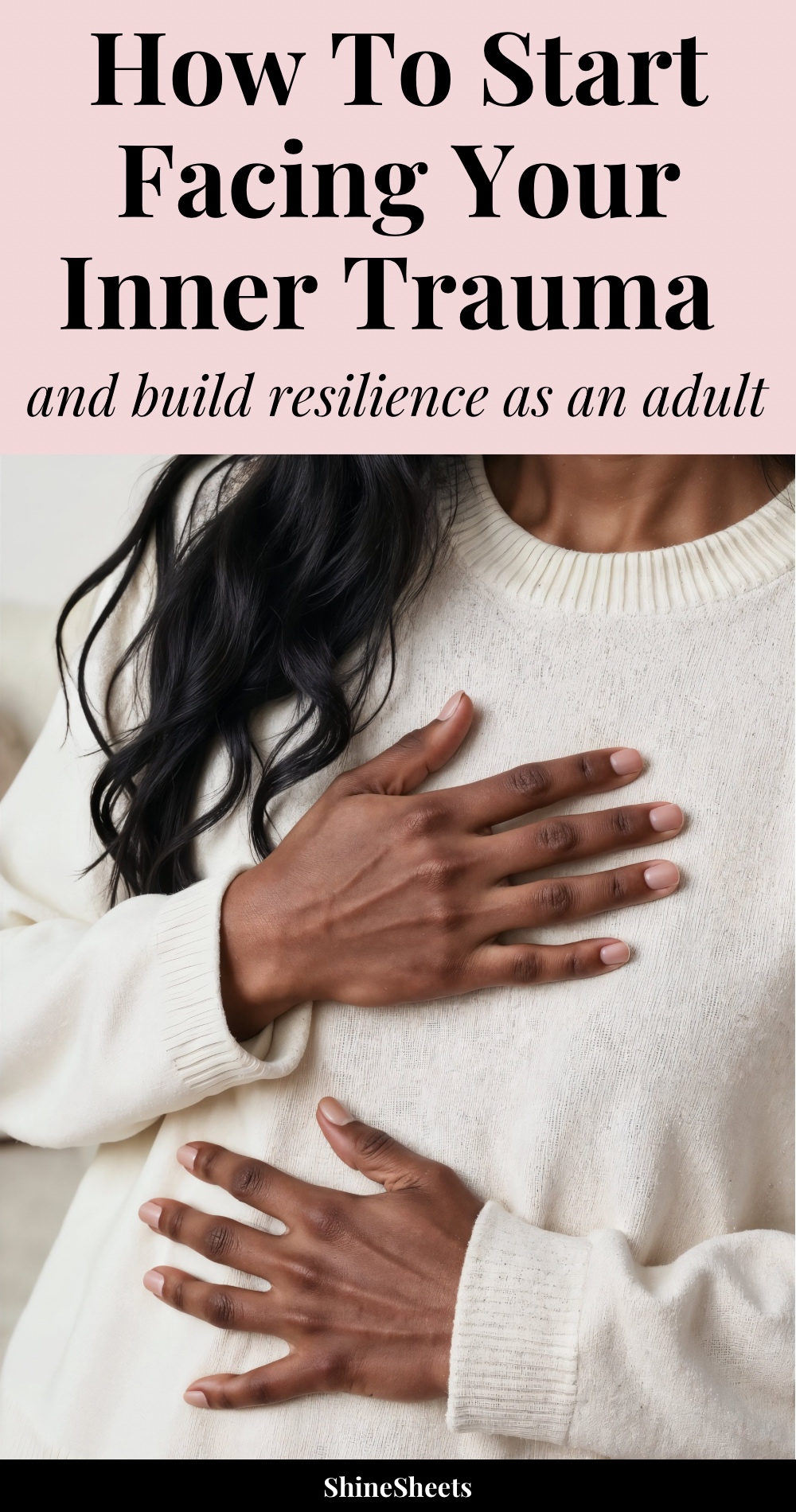
1. Recognize The Impact Of Trauma
Understanding the extensive impacts of trauma is the pivotal first step in unraveling the journey to resilience and empowerment. These effects are intricate, permeating the mental, emotional, and physical realms of our existence.
For those affected, a range of emotional struggles, from increased anxiety to deep depression, often become a silent companion:
1. Altered emotional responses
You may experience intensified emotions or, conversely, an unsettling numbness, reflecting the internal chaos brought by trauma.
2. Behavioral changes
There can be noticeable changes in social interactions, communication patterns, and overall behavior. They indicate profound internal distress.
3. Physical symptoms
Sleep problems, unexplained aches, and chronic fatigue often narrate the body’s silent testimony of psychological distress.
4. Cognitive impairments
You may suffer memory and concentration issues, highlighting the brain’s struggle to adapt and recover.
Identifying these complex responses and changes is the cornerstone of the healing journey, offering an understanding that can guide you toward the next actions.
2. Build A Support Network
When it comes to healing from trauma, the transformative power of a support network is undeniable. It serves as a crucial foundation for recovery, providing understanding, compassion, and unwavering support.
Below are the essential elements of establishing a resilient network.
1. Personal relationships
The importance of family and friends who offer a listening ear, a shoulder to cry on, and a hand to hold can’t be underestimated. Their intimate connections offer comfort and understanding.
2. Professional support
Therapists, counselors, and psychologists provide specialized assistance, offering coping strategies and tools to navigate the complexities of trauma. It is important to have someone with a professional training to help you face and overcome your traumas.
3. Community resources
Groups and organizations create safe spaces where experiences can be shared, fostering a sense of belonging and mutual support.
As you move through the stages of healing, the combination of personal, professional, and community support plays an important role in helping you cope and navigate your situation better. It also strengthens you ability to face future obstacles with increased resilience and empowerment.
3. Self-Empowerment Through Education
Education is a potent catalyst in healing from trauma and building resilience. The more you understand your experiences and reactions, the more equipped you are to address them effectively.
Here are the key aspects of educational self-empowerment in the context of trauma recovery.
1. Understanding your trauma
Gaining insights into the nature and impacts of trauma demystifies the experience, reducing fear and anxiety. You need to understand what happened to you and how it affected you.
2. Learning coping strategies
Knowledge of various coping mechanisms helps to managine emotional and psychological upheavals with bravery. This is not something you do in five minutes. You might need to learn and use coping mechanisms your whole life (and that is absolutely normal and okay).
3. Resources and tools
Access to informational and practical resources can amplify your capacity to navigate the healing journey.
As you immerse in learning, you can cultivate a stronger sense of control, autonomy, and mastery over the traumatic experiences. This enriched understanding can propel you to a path where resilience and empowerment become attainable.
Start by looking online for resources related to your particular trauma. Look for e-books, workbooks, printables and online communities.
4. Implement Self-Care Practices
Self-care is a crucial component in the intricate journey of overcoming trauma and building resilience. It’s a personalized, holistic approach encompassing the physical, mental, and emotional realms, fostering overall well-being.
1. Balanced nutrition
A diet rich in essential nutrients fortifies physical health, amplifying the body’s capacity to cope with stress, build new neuron pathways and release stuck emotions.
2. Physical activity
Regular exercise strengthens the body and helps alleviate trauma-induced anxiety and depression, enhancing your mental well-being.
3. Rest and relaxation
Prioritizing restorative sleep and relaxation techniques counterbalances the physiological arousal associated with trauma.
By implementing these self-care practices, you can create a holistic healing environment that nurtures their well-being and aids in their recovery process.
Conclusion
Small yet significant strides can shape the journey from the shadows of trauma to the light of resilience… These steps and strategies can be a good start for anyone who have experienced past suffering. Of course, working with a professional is just as important, so make sure to call the therapist for this.
With courage and strength, every person has the ability to overcome scars and weave them into a tapestry of resilience. Make a decision to gently start facing your traumas and most importantly – do it with huge self-compassion, patience and care.
Are you ready to talk about your trauma? Share in a comment down below!

Hi! I am author + writer on personal development, beauty, relationships and self-care, sharing insights through this blog since 2018. After years of practicing personal growth, emotional wellness and feminine lifestyle (plus 19 years in a thriving relationship), I share effective and tested advice to help you foster beauty, self-improvement and order in your life. Some articles are written by a small team of beautiful writers I trust.












Leave a Comment