
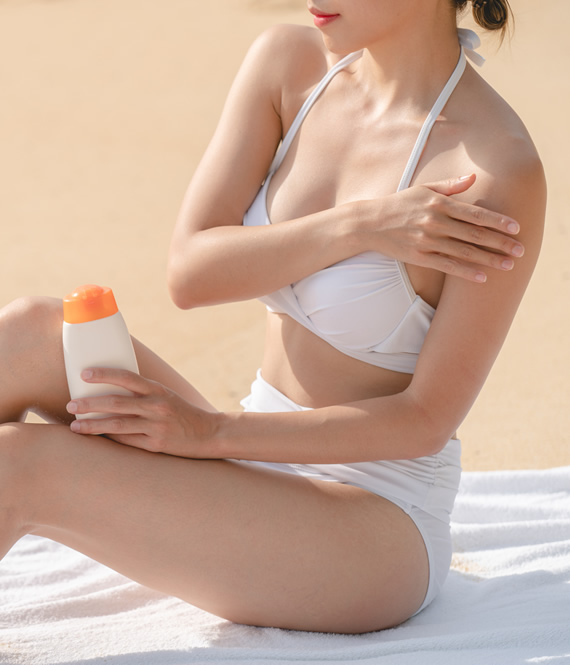
Skin cancer is one of the most common types of cancer, yet it’s also one of the most preventable. Protecting your skin from harmful UV rays and maintaining a healthy lifestyle can significantly reduce your risk.
Taking proactive steps to reduce skin cancer risk is essential for maintaining overall health and well-being. By following expert advice and making small adjustments to your daily routine, you can lower your chances of developing skin cancer and ensure your skin stays healthy and radiant.
Tip #1: Perform Regular Skin Self-Exams
Early detection is key to successful treatment of skin cancer. Performing regular self-exams can help you catch any unusual changes in your skin early on.
Pay special attention to areas that are often exposed to the sun. Look for new growths, spots, or moles that change in size, shape, or color. If you notice anything suspicious, schedule a skin cancer screening with your healthcare provider immediately.
Tip #2: Wear Sunscreen Daily
One of the simplest yet most effective ways to protect your skin from cancer is to wear sunscreen every day. Choose a broad-spectrum sunscreen with an SPF of at least 30, and apply it generously to all exposed skin, including your face, neck, and hands.
Remember to reapply every two hours, especially if you’re swimming or sweating. With its sun protection factor, sunscreen helps block harmful UV rays, preventing sunburns and long-term damage that can lead to skin cancer.
Tip #3: Seek Shade During Peak Hours
The sun’s rays are strongest between 10 a.m. and 4 p.m. During these hours, it’s best to stay indoors or seek shade whenever possible. If you need to be outside, wear protective clothing, such as a wide-brimmed hat and long sleeves.
Finding shade and avoiding direct sunlight during peak hours can significantly reduce your UV exposure, lowering your risk of skin cancer.
Tip #4: Avoid Tanning Beds
Tanning beds are not a safe alternative to natural sunlight. The artificial UV radiation they emit can be just as harmful, if not more so, than the sun’s rays. Using tanning beds increases your risk of all types of skin cancer, including melanoma, which is the deadliest form.
Embrace your natural skin tone and consider using self-tanning products if you desire a tanned look without the risk.
Tip #5: Wear UV-Protective Clothing
Clothing can provide an additional layer of protection against UV rays. Many brands offer UV-protective clothing designed to block harmful radiation.
Look for clothing with an ultraviolet protection factor (UPF) rating, which indicates how effective the fabric is at shielding your skin from the sun. More importantly, wearing UV-protective clothing can be especially beneficial during outdoor activities.
Tip #6: Protect Your Lips
Your lips are often overlooked when it comes to sun protection, but they are just as vulnerable to UV damage as the rest of your skin. Use a lip balm or lip sunscreen with an SPF of at least 30. Reapply regularly, especially after eating or drinking. Protecting your lips can prevent sunburn and reduce the risk of lip cancer, which is a lesser-known but serious form of skin cancer.
Tip #7: Maintain A Healthy Diet
A healthy diet rich in antioxidants can help protect your skin from the inside out. Foods high in vitamins C and E, beta-carotene, and other antioxidants can boost your skin’s natural defenses against UV damage.
Incorporate plenty of fruits, vegetables, nuts, and seeds into your meals. Staying hydrated by drinking plenty of water is also important for maintaining healthy skin.
Tip #8: Be Mindful Of Medications
Some medications can increase your sensitivity to sunlight, making your skin more susceptible to UV damage. These can include certain antibiotics, anti-inflammatory drugs, and even some over-the-counter medications.
Always read the labels and consult with your healthcare provider if you’re unsure about your medication’s side effects. Taking precautions, like wearing extra sun protection, can help mitigate these risks.
Tip #9: Educate Yourself And Others
Knowledge is a powerful tool in the fight against skin cancer. Stay informed about the latest research and recommendations regarding sun safety and skin cancer prevention.
Share this information with friends and family to help them protect themselves as well. Community awareness can lead to collective action, making it easier for everyone to adopt healthier habits.
Tip #10: Get Annual Skin Checks
In addition to self-exams, schedule an annual skin check with a dermatologist. A professional skin examination can identify potential skin issues that you might miss.
Dermatologists are trained to detect early signs of skin cancer and can provide valuable advice on how to protect your skin. Regular professional check-ups complement your self-care efforts and ensure comprehensive skin health monitoring.
Takeaway
Reducing your risk of skin cancer involves a combination of protective measures and healthy habits. By wearing sunscreen daily, seeking shade during peak hours, avoiding tanning beds, performing regular skin self-exams, wearing UV-protective clothing, maintaining a healthy diet, being mindful of medications, educating yourself and others, and getting annual skin checks, you can significantly lower your chances of developing skin cancer.
Remember, prevention and early detection are key, so take proactive steps to protect your skin and stay vigilant about any changes.

Hi! I am author + writer on personal development, beauty, relationships and self-care, sharing insights through this blog since 2018. After years of practicing personal growth, emotional wellness and feminine lifestyle (plus 19 years in a thriving relationship), I share effective and tested advice to help you foster beauty, self-improvement and order in your life. Some articles are written by a small team of beautiful writers I trust.








Leave a Comment