

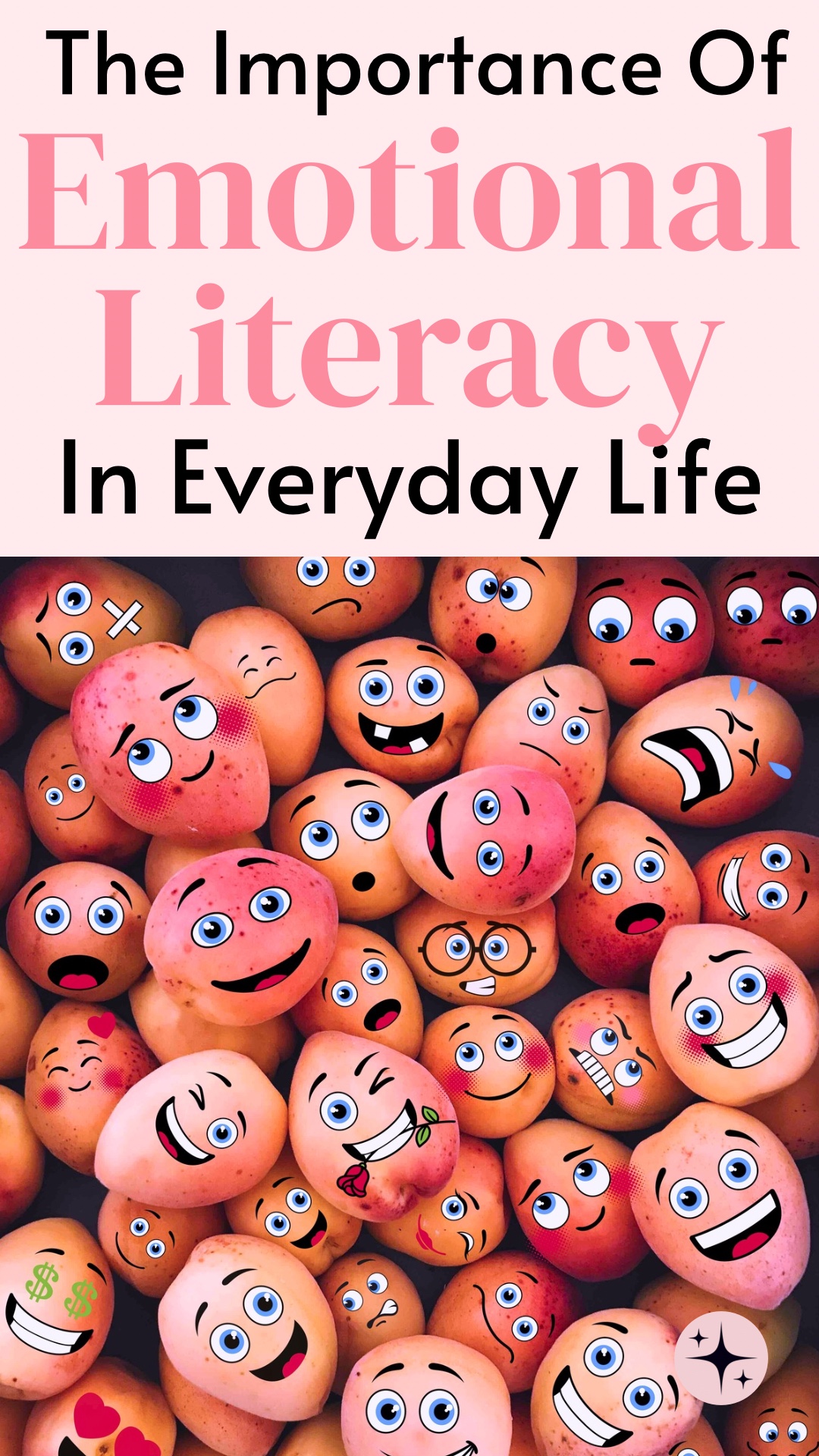
Imagine being able to articulate exactly how you feel in any situation—whether you’re sad, anxious, happy, or peaceful. This is emotional literacy: the ability to recognize and accurately label your emotions. While this might seem simple, it’s a skill that many people, regardless of their role in life, often struggle to develop fully.
Some start with only a basic understanding of their emotional states, distinguishing merely between feeling good or bad about something.
However, as they enhance their emotional vocabulary, they gain the ability to make finer distinctions, leading to better decision-making, healthier relationships, and an overall improved quality of life.
Why Emotions Matter in Daily Life
We often hear advice to “keep your emotions in check” or “leave your feelings at the door,” whether at work, in social settings, or even within our families. While this might sound practical, it can lead to unintended consequences. Ignoring or suppressing emotions doesn’t make them disappear; instead, it can create barriers in communication, relationships, and personal well-being. Here’s why embracing emotional literacy is essential for everyone:
- Improved Communication: Emotional literacy enables you to express yourself clearly and understand the emotions of others, leading to more effective and empathetic interactions in all areas of life.
- Enhanced Decision-Making: When you are emotionally literate, you can better manage your emotions, which allows for more rational decision-making, especially in stressful situations.
- Stronger Relationships: Emotional literacy fosters trust and rapport with others, whether in personal relationships, friendships, or professional connections, creating more cohesive and supportive interactions.
- Increased Well-Being: Understanding and acknowledging your emotions can help create a supportive environment for yourself and those around you, boosting overall morale and mental health.
- Better Conflict Resolution: With emotional literacy, you can navigate conflicts more effectively by understanding the underlying emotional drivers and addressing them constructively.
- Greater Resilience: Emotionally literate individuals are better equipped to manage stress and bounce back from setbacks, serving as models of resilience in their communities and workplaces.
- Higher Adaptability: Understanding and managing emotions allows you to remain flexible and adaptable in the face of change, helping you and those around you thrive in new situations.
- Positive Influence on Others: Being emotionally literate contributes to a positive environment where empathy, understanding, and collaboration are valued, leading to better overall relationships and satisfaction.
Enhancing Emotional Literacy with Science-Backed Techniques
Doctor David Rock’s work on the brain’s response to emotions offers a valuable framework for everyone. He distinguishes between “toward” responses—where we move closer to something we perceive as positive or good—and “away” responses, which are triggered by perceived threats or negativity. Recognizing these responses in yourself and others can help you navigate interactions more effectively and create environments that encourage positive, “toward” responses.
In addition, the “name it to tame it” technique, rooted in neuroscience, offers a practical way to reduce the intensity of emotions. By simply identifying and naming the emotion you’re experiencing, you engage the brain’s logical side, which can help to diminish the emotion’s grip on you. This practice can be particularly useful in managing stress or guiding others through challenging situations.
Conclusion
Emotional literacy is not just a skill for leaders—it’s a crucial life skill for everyone. By developing the ability to accurately recognize and articulate emotions, you can enhance your decision-making, build stronger relationships, and live with greater authenticity and integrity. Incorporating concepts like Doctor Rock’s “toward” and “away” responses and utilizing the “name it to tame it” technique can empower you to harness the full potential of your emotional intelligence, transforming your interactions and overall well-being.

John Ford
John Ford is a seasoned workplace mediator and conflict resolution coach with three decades of experience. He is the author of "Peace at Work: The HR Manager’s Guide to Workplace Mediation" and the creator of several tools designed to enhance empathy and communication in life, including The Empathy Set™ of cards.
John teaches negotiation and mediation at UC Law SF and has trained professionals across various sectors. His innovative approach to mediation focuses on structured processes that address both the relational and substantive aspects of conflict, empowering clients to achieve lasting resolutions.
Websites:












I’m not sure the place you are getting your information, but good topic. I must spend some time finding out more or working out more. Thank you for excellent information I used to be in search of this information for my mission.
Youre so cool! I dont suppose Ive learn something like this before. So good to find somebody with some unique thoughts on this subject. realy thanks for starting this up. this web site is one thing that’s needed on the net, somebody with a little originality. helpful job for bringing one thing new to the web!