
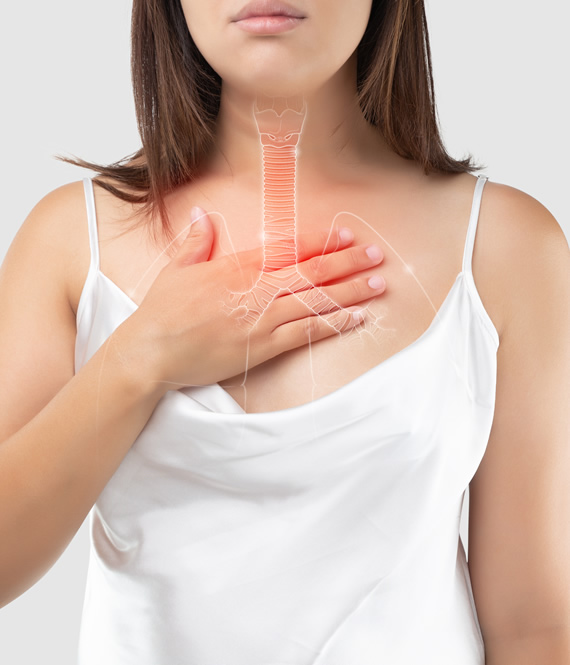
The novel coronavirus has been a constant discovery for the medical community. With years of data taken from infection cases, our understanding of the pandemic is changing with every passing day. And today, complications and new treatments are coming up daily. And that will add to the global scope and help unlock the area of increasing innovation.
For the most part, everyone is concentrating on the short-term effects. It is always about flattening the curve, treating sick people, and ensuring that everyone has taken the vaccine. There has been much confusion and conflict about the vaccine recently. Today, people in certain parts of the globe feel that an incentive is necessary to vaccinate. According to a recent poll by MyBioSource, people in Delaware think that the motivation for the vaccine should be $198, and people in Hawaii believe it should be $146.
But getting vaccinated is not everything. It is necessary to have a clear understanding of the long-term effects are well. Today, the medical community is increasingly depending on the studies and research that are taking place. And even though most people might not be aware of the long-term impacts, it is necessary to make selected educated inferences concerning the pandemic’s unique traits that can affect the lungs.
The short-term impacts of the virus
The early symptoms are vastly different compared to what you will come across in others with common respiratory infections. That aside, the patients usually have a fever and witness cough and fatigue. The World Health Organization asserts that nearly 80% of the conditions are asymptomatic and mild. That aside, 15% witness moderate and severe symptoms, and close to 5% have acute infections that need ventilation.
When a person gets ill because of COVID-19, they have several reactions. Some of them are:
- The lung tissue gets swelled because of fluid, which makes the lungs lose their elasticity.
- The immune system lands up in overdrive and, at times, compromises other organs.
- When your body combats one infection, it becomes increasingly susceptible to added infections.
Many doctors have reported witnessing people develop blood clots because of the virus. And as the infection becomes worse, there are distinctive traits in the online imaging that can tell the difference between any other respiratory infection and the COVID-19 virus.
The patient’s CT scan of the lungs highlights the patches of swelling and fluid in the lung tissue. Also, the liquid is slightly less dense in various other infections, leading to a “ground glass” appearance, which they consider the prominent signs of the novel coronavirus. This pattern is typical in patients and is not only necessary for diagnosing the virus.
Here, the lung tissue inflammation can fill the air sac with fluid and make the lung go entirely stiff and less elastic. Most doctors say that the patient’s lung capacity for breathing in the air is like a sponge.
When the tissue gets filled with the fluid, its capacity to contract and expand gets limited. And that diminishes the air capacity, and people find it challenging to breathe. And in extreme cases, there is a need for oxygen support and respirators to ensure that the lung is functioning.
The long-term effects of the novel coronavirus
When doctors try to keep track of the long-term impacts of COVID-19, they feel that they are estimating the future. The novel coronavirus leads to a widespread syndrome called ARDS (acute respiratory distress syndrome). Here the ARDS develops in the tiny air sacs of a person’s lungs known as the alveoli. It can bring down the capacity to exchange carbon dioxide for oxygen.
According to doctors, the ones who have recovered from this might have the following traits:
- Restricted lung capacity compared to others.
- Psychiatric problems such as depression, PTSD (Post Traumatic Stress Disorder), cognitive impairment, and acute anxiety are due to the treatment’s trauma and illness.
- Kidney complications that can lead to long-term dialysis.
- Poor conditioning because of limited organ function or lung capacity.
While the human body can heal from almost anything, no patient is the same. The “ground glass” parts in the CT of the patient having COVID-19 generally highlight the damage. And any damage to the lung tissue can lead to scarring, which can restrict the lung elasticity and minimize the function right after the initial damage gets passed. There are situations where the scarring heals powerfully, allowing the lungs to return to their correct position as much as possible.
Today, with medical treatments and facilities, it is possible for patients to heal to a great capacity. And while the pandemic-related ARDS has much data to share with conventional ARDS, the long-term effects of Covid must be addressed correctly. The bottom line? The moment you feel uncomfortable, you should immediately consult a doctor.

Hi! I am author + writer on personal development, beauty, relationships and self-care, sharing insights through this blog since 2018. After years of practicing personal growth, emotional wellness and feminine lifestyle (plus 19 years in a thriving relationship), I share effective and tested advice to help you foster beauty, self-improvement and order in your life. Some articles are written by a small team of beautiful writers I trust.











Hi there, You’ve done a fantastic job. I’ll definitely digg it and personally recommend to my friends. I’m confident they will be benefited from this site.
The next time I read a weblog, I hope that it doesnt disappoint me as a lot as this one. I mean, I know it was my option to learn, but I actually thought youd have one thing attention-grabbing to say. All I hear is a bunch of whining about something that you might fix in the event you werent too busy on the lookout for attention.