
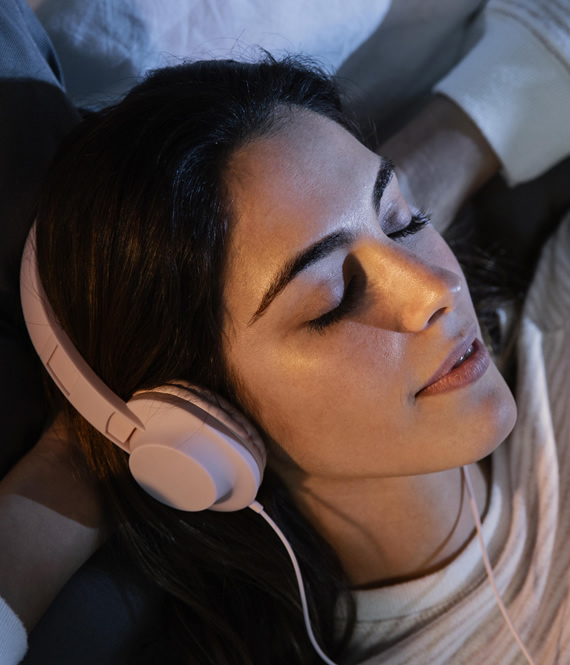
Understanding the Impact of Music on Sleep Apnea
For those struggling with sleep apnea, finding ways to enhance sleep quality is essential. While CPAP machines and lifestyle changes are common solutions, you may not have considered music as a natural aid. Could listening to calming music before bed improve your sleep apnea symptoms and help you rest more peacefully? Let’s explore how incorporating music into your nighttime routine could make a difference.
How Music Affects Sleep Quality
Studies have shown that music can have a profound effect on our minds and bodies. Specifically, soothing melodies can help lower stress levels, reduce heart rates, and prepare the body for rest. For sleep apnea sufferers, reducing stress is crucial since anxiety and tension can exacerbate the condition. Listening to music has been found to increase levels of melatonin, a hormone responsible for regulating sleep cycles.
Key benefits of listening to music before bedtime include:
- Relaxation of the nervous system.
- Reduction in sleep latency (time it takes to fall asleep).
- Lowering blood pressure, which can benefit those with obstructive sleep apnea.
The Role of Music Therapy in Managing Sleep Apnea
While music is not a replacement for medical treatments like CPAP machines, it can complement existing therapies. The right type of music—often classical or natural sounds—can help induce relaxation, which is vital for people with sleep apnea. Research suggests that when combined with a comfortable sleep environment, music therapy can make a noticeable difference in how quickly you fall asleep and how deep your sleep is.
How to Integrate Music into Your Nightly Routine
- Choose calming tracks: Opt for slow-paced music with a rhythm of around 60-80 beats per minute, which mirrors the resting heart rate.
- Use noise-canceling headphones or a sound system: For those who are sensitive to noise disruptions, high-quality audio equipment can improve the experience.
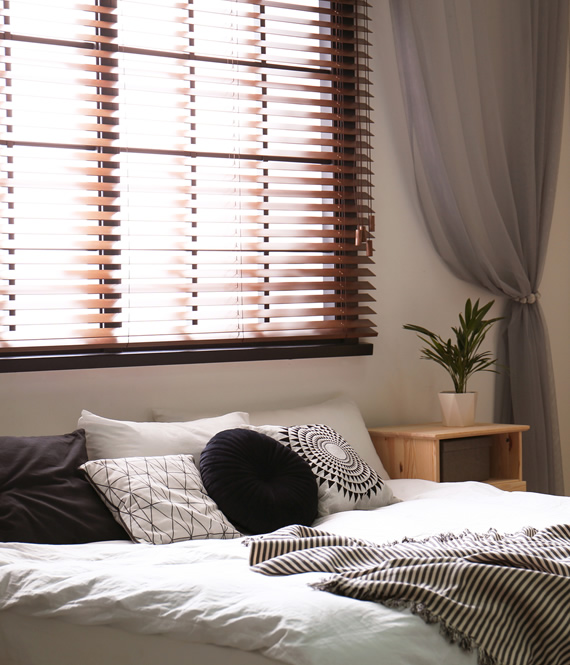
- Create a sleep-friendly environment: Combine your music therapy with a dark, cool bedroom and a comfortable bed to maximize relaxation.
Music Genres That Can Help with Sleep Apnea
Not all music has the same effect on your sleep patterns. To optimize the benefits, it’s essential to select the right type of music:
- Classical Music: Known for its soothing melodies, classical music can help reduce anxiety and promote relaxation.
- Binaural Beats: These specific sound frequencies have been shown to calm the mind and enhance deep sleep.
- Nature Sounds: The sound of rain, ocean waves, or a gentle breeze can mimic the calming effects of being in nature, which may help alleviate stress.
These genres can serve as a natural way to wind down before bed, helping those with sleep apnea improve their overall sleep quality.
The Science Behind Music and Breathing Patterns
One of the challenges of sleep apnea is the disruption of normal breathing patterns. According to specialists at Nuffield ENT, listening to rhythmic music has been found to have a positive effect on breathing rates, especially slow, deep-breathing exercises paired with soft music. This can be particularly beneficial for people with sleep apnea, as it may help regulate breathing and reduce the number of apnea episodes during the night.
- Improving oxygen flow: Relaxing music can encourage deeper breaths, which helps improve oxygen saturation levels.
- Reducing snoring: As the body relaxes, the likelihood of snoring decreases, making it easier to maintain steady breathing.
How to Create a Sleep-Inducing Playlist
If you’re interested in trying music to help with sleep apnea, here’s how to get started:
- Curate a playlist with tracks that are slow, steady, and free from sudden changes in tempo or volume.
- Consider using apps designed for sleep, which offer pre-made playlists tailored to enhance relaxation.
- Add essential oils like lavender or chamomile to your nighttime routine to create a multisensory experience that can further promote sleep.
Tips for Optimizing Your Bedroom for Better Sleep Apnea Management
Creating a peaceful sleep environment goes beyond just listening to music. Consider these additional tips:
- Use a humidifier to keep the air moist, which can prevent nasal congestion.
- Maintain a clean room to reduce allergens that might disrupt your breathing.
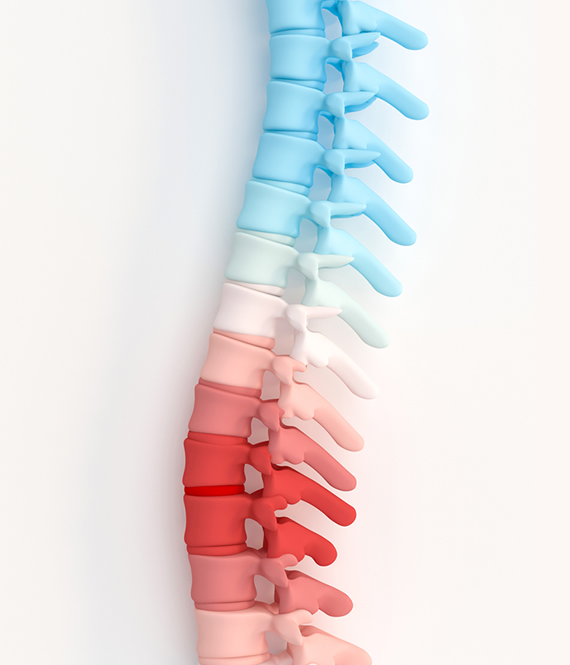
- Invest in a comfortable mattress and pillows that support your neck and spine alignment.
Conclusion
While music alone may not cure sleep apnea, it can be a beneficial addition to your sleep routine. By creating a calming atmosphere with the right sounds, you can reduce stress levels, improve your breathing, and ultimately enhance the quality of your sleep. Experiment with different genres and find what works best for you.
By integrating music therapy along with other sleep hygiene practices, you can potentially ease some of the symptoms associated with sleep apnea and wake up feeling more refreshed.
FAQs
Q1: Can music completely cure sleep apnea?
No, music is not a cure but can complement other treatments like CPAP machines to improve sleep quality.
Q2: What type of music is best for sleep apnea?
Classical music, binaural beats, and nature sounds are ideal for promoting relaxation and better sleep.
Q3: How long should I listen to music before bed?
Try listening for 20-30 minutes as part of your bedtime routine to help relax your mind and body.

Hi! I am author + writer on personal development, beauty, relationships and self-care, sharing insights through this blog since 2018. After years of practicing personal growth, emotional wellness and feminine lifestyle (plus 19 years in a thriving relationship), I share effective and tested advice to help you foster beauty, self-improvement and order in your life. Some articles are written by a small team of beautiful writers I trust.










Leave a Comment