
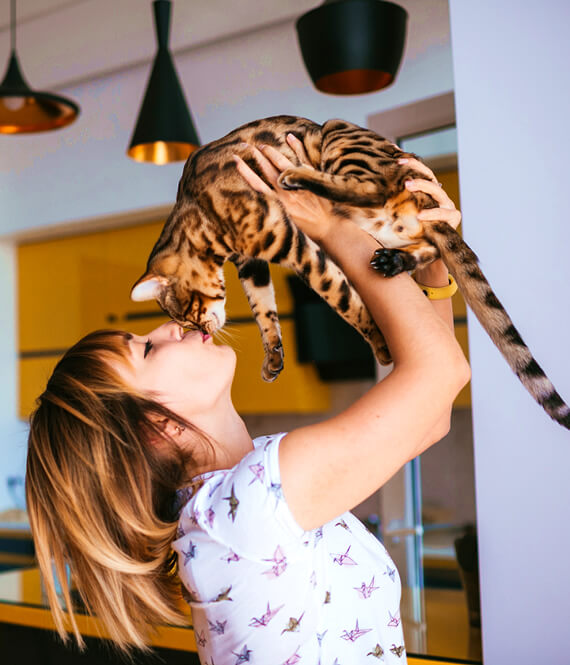

Becoming a feline parent is a commitment. That’s not a secret. And while it may seem that cats may be more independent than dogs, they still require care and attention. You need to be willing to fulfill your cat ownership obligations.
If you do not know a lot about cats, getting used to owning one might take a little while. However, you will soon learn the ropes, provided you avoid these common mistakes!
Common Mistakes Of First-Time Cat Parents
1. Do not ignore potential injuries
Cats are inquisitive and adventurous and often get themselves into sticky situations. It is why the adage says that felines have nine lives. If your cat has gotten itself into a pickle (such as getting stuck in a tree), you need to do more than undertake a rescue. Many cats get injured during these shenanigans, although it might not seem immediately apparent. Muscle and joint damage could have occurred and, if left untreated, these injuries can lead to permanent damage.
Now, cats have strong muscles and joints, but they can become damaged, especially in older cats. Luckily, many well-known brands such as VetriScience, Nutri Vet, and Scruffy Paws Nutrition offer a large variety of nutritious joint supplements for cats. By using these supplements, you ensure that your feline fur baby has many years of prowling, pouncing, climbing, and jumping ahead of them. Healthy joints keep your cat mobile, which prevents it from gaining weight and developing other conditions caused by inactivity, such as diabetes.

2. Poor diet and eating habits
Cats need a nutritious, balanced diet to remain in a peak physical condition. Yet opting for the most expensive food does not guarantee quality. Looking at the ingredients will indicate whether a cat food is the best you can afford for your feline.
As a point of departure, look at the food’s water content. Unlike dogs, cats do not get their required water intake from drinking liquids. Instead, they rely on food to supply them with water. Dry cat food contains little moisture, while wet food has much higher fluid levels. Feed your cat a combination of these foods. Cats are meat-eaters, and their food should contain a meat source, such as chicken or fish.
Allowing a cat to become a ‘grazer’ is a surefire way to make your cat obese. Do not be tempted to refill a cat’s food bowl whenever it is empty (or when she begs you with those purrrrs!). Doing this overfeeds the feline. Instead, have a set amount of food and dispense it once every 24 hours. If you are unsure how much food to give a feline, consult your vet for portion advice.
Your cat might not eat everything at once, preferring to eat in smaller portions. Keep water bowls full and offer your cat more than one water source to encourage it to drink frequently. An inside water bowl and another one outside should do the job.

3. Training
It is easy to assume that cats do not need training, unlike their canine counterparts. However, any cat owner will tell you that teaching a cat healthy behavioral patterns makes being a cat parent easier. Start with eating habits mentioned before and move on to other things you expect a cat to know.
Note that not all cats instinctively know about using a litter box. Getting yours to cooperate and develop healthy potty habits may take a little training and patience. Reward the cat every time they do what is expected of them. This reinforces positive behavior and is better than shouting or smacking the cat if they get it wrong. If you struggle to train your cat, ask a vet for advice.
4. Grooming issues
You may be familiar with the stereotypical idea that cats keep themselves clean. While they are certainly more inclined to do so than dogs, this does not mean that a cat can be 100% responsible for its own grooming. Cat owners should do a weekly check of their feline to ensure that grooming is kept up to date. This includes lightly brushing the cat’s fur and inspecting its ears and teeth for any obvious issues. Sometimes, bathing may be necessary, although you might have quite a fight on your hands if you try it!
Brushing a cat’s fur is essential as it prevents the feline from ingesting hair during grooming and developing a hairball. Also, many cats have ear mites that cause itching and discomfort. Regular ear checks will help you identify the mites’ presence and deal with them.
Cats are notorious for their sharp claws, which they need for climbing and balancing. Trim your cat’s claws once a month by clipping off a tiny tip of each one. You might experience some resistance at first but the cat will get used to it if you kindly persist.
5. Vaccinations
Many people with ‘indoor cats’ do not think that vaccinations are necessary as the cat will not be in contact with any other animals that could be carrying diseases. This is not necessarily true.
Some vaccinations are compulsory according to local laws and regulations. Find out about other vaccines for your cat, such as those to prevent distemper, herpes, and other viruses, and make sure your kitten gets all the required jabs.
Like these tips? Scroll down for more!

Hi! I am author + writer on personal development, beauty, relationships and self-care, sharing insights through this blog since 2018. After years of practicing personal growth, emotional wellness and feminine lifestyle (plus 19 years in a thriving relationship), I share effective and tested advice to help you foster beauty, self-improvement and order in your life. Some articles are written by a small team of beautiful writers I trust.












Hello, you used to write fantastic, but the last several posts have been kinda boring?K I miss your tremendous writings. Past several posts are just a little bit out of track! come on!
Absolutely written written content, thankyou for information .
Really Appreciate this post, is there any way I can get an email every time there is a fresh update?