
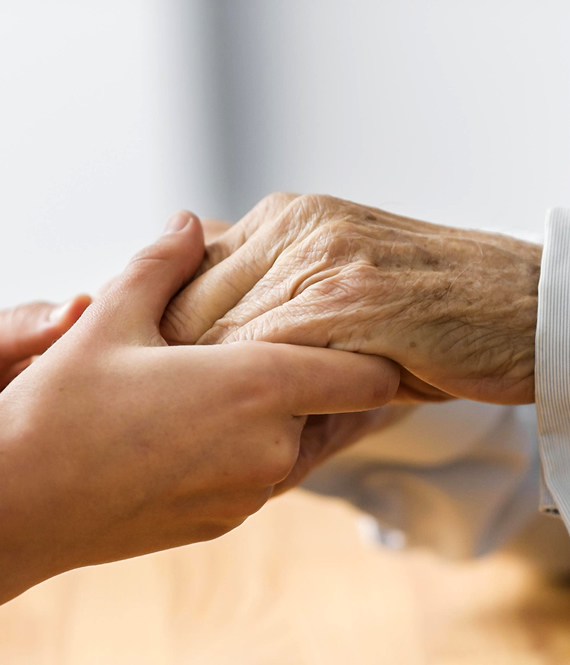
We have heard so much about dementia and Alzheimer’s in seniors, but do we actually know how to deal with dementia in elderly?
Noticing dementia in aging parents or relatives can be very subtle. It may be little things at first but as it progresses, you may begin to worry about their safety, especially if they are living alone.
When dementia in elderly becomes prevalent, even small everyday tasks that they’ve done for their entire lives become elusive. At this point, you realize that they may very well be suffering from memory loss as a result of dementia or Alzheimer-related dementia.
In this article, we are taking a look at three important things to consider when you’re facing dementia in elderly you love.
Common Signs Of Dementia In Elderly
According to the National Institute of Aging, dementia in elderly has a few symptoms that might vary in their intensity:
- Memory loss;
- Getting lost;
- Difficulty speaking or expressing themselves;
- Repeating questions;
- Forgetting words and expressions, using different words than needed;
- Having trouble taking care of themselves and their life (like paying bills);
- Trouble focusing;
- Losing physical balance.
If any of these signs seem familiar, here’s what to consider next.
1. What To Do If You Think Your Parents Might Have Dementia
The very first thing to do at this point would be to get an accurate diagnosis. It is important to understand that while memory loss is common among the aging, not all instances of dementia in elderly can be attributed to Alzheimer’s.
When in doubt, it’s time to set up an appointment with a geriatrician who will then determine which specialists to refer your parent to. You may be referred to a neurologist or you may be referred to a geriatric psychiatrist, or both. In any case, the one thing you will absolutely want to do is learn the basics of memory care. No matter the cause, loss of memory can be a major concern.
2. Dementia In Elderly Requires Determining a Level of Care
Not all families have the wherewithal to have someone at home with an elderly parent at all times. It may be just as unrealistic to afford in-home healthcare unless it’s a service covered under their insurance or Medicare, which is usually only for a limited time.
It may be a painful decision but you may also find that your parent would be better served in a residential setting with 24/7 nurses and caregivers on site. For example, if your family lives in New York State, is eligible for Medicaid, and has a stable medical condition, you might qualify for the Consumer Directed Personal Assistant Program (CDPAP). It means that families get to choose their caregivers based on their preferences.
There are various levels of senior care as it is related to dementia and memory loss. Choosing the appropriate setting is an important decision you will have to make.
3. Don’t Forget About You
Dementia is something that touches the whole family, especially the children or those closest to the aging person.
Altogether, too many people try to manage dementia in elderly by themselves. As painful as it is watching your parent’s once beautiful mind begin slipping away, it’s even more so if you don’t find the support you need.
Remember, you are not alone and there are support groups everywhere to help each other cope with the very same issues you are now facing. Not only can you find the strength you need to make those painful decisions about senior care, but you can also learn tips from others who have been traveling this road before you.
Final Thoughts
Dementia in elderly is a serious, sometimes even life-threatening situation. It’s not something you can ignore because many people suffering from dementia are easily confused by their surroundings. People with dementia have been known to wander out in a snowstorm or into a busy road unseen until it’s too late.
Take the time to talk about dementia in elderly with your family physician. A professional can help you by keeping you informed and preparing you for what lies ahead. No one said it will be easier but it can be made much easier with a few basic skills and a solid support system by your side.
Scroll down for more content like this.

Hi! I am author + writer on personal development, beauty, relationships and self-care, sharing insights through this blog since 2018. After years of practicing personal growth, emotional wellness and feminine lifestyle (plus 19 years in a thriving relationship), I share effective and tested advice to help you foster beauty, self-improvement and order in your life. Some articles are written by a small team of beautiful writers I trust.











Leave a Comment